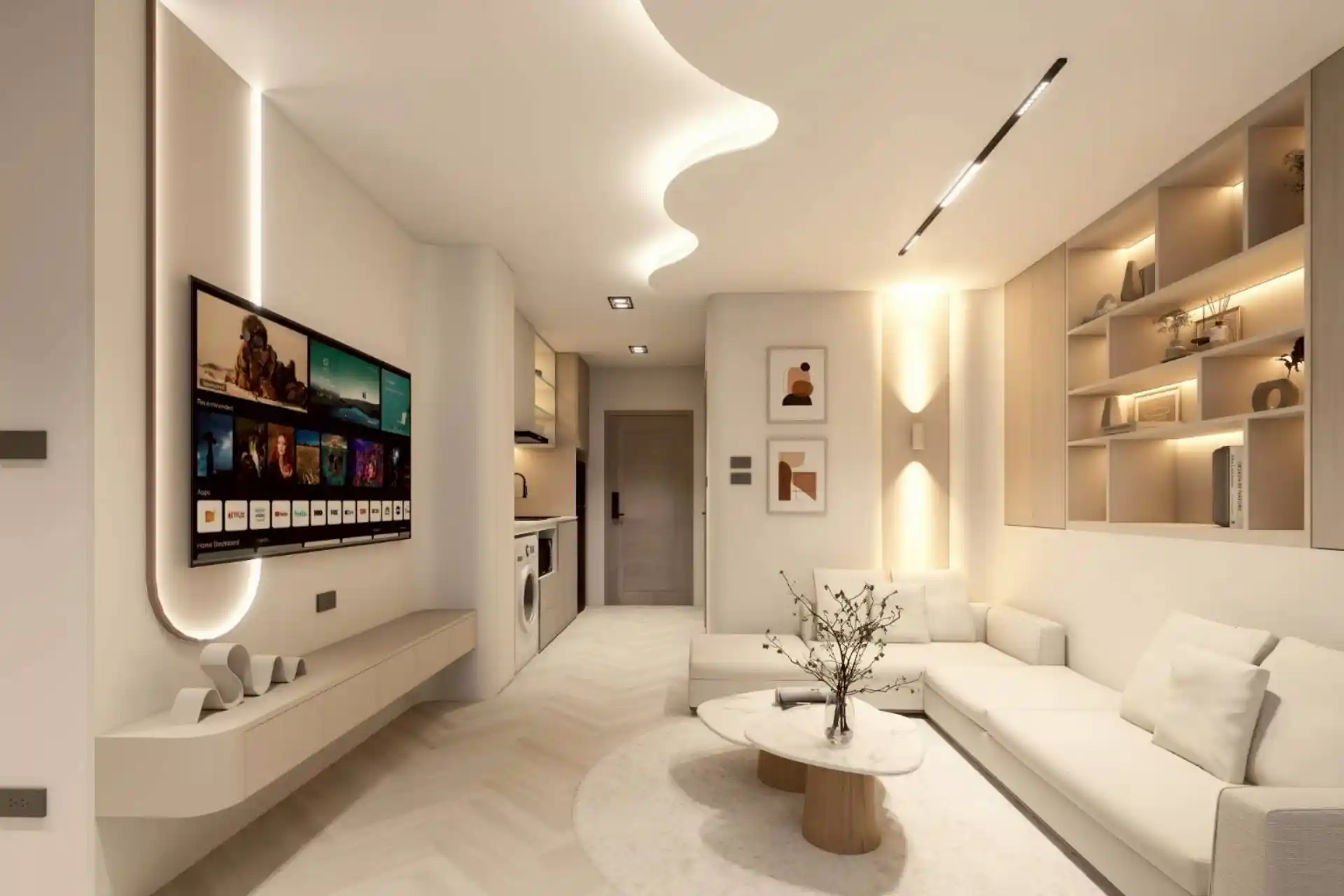

In our experience, most foreign buyers are surprised that a condo is the one property type in Chiang Mai they can own outright — no company structure, no 30-year lease. We've observed that clients who confirm the foreign quota and arrange funds correctly before touring often close within three weeks.
A client called us last month from a rented apartment in Huay Kaew, on hold with his home bank, trying to figure out why the money he'd wired for a unit near Chiang Mai University hadn't shown up as "foreign currency" at the Land Office. It had arrived. It just hadn't arrived with the right paperwork attached. That single gap — a missing bank letter, not a missing baht — is the difference between a same-day transfer at the Land Office and a two-week delay while a bank reissues documentation. It's also the most avoidable mistake in an otherwise straightforward purchase.
That's the part people don't expect about condos here: compared to villas and land, where foreign ownership runs through leaseholds or Thai company structures, a condo is the one asset class where the law lets a foreigner hold the title directly. The catch is a building-wide ceiling, not a buyer-by-buyer one — and that ceiling is exactly where deals stall if nobody checks it early.
Can foreigners really own a condo outright in Chiang Mai?
Yes. Under Thailand's Condominium Act, a non-Thai buyer can hold freehold title to a condo unit in their own name, as long as foreign ownership across the whole building stays under 49% of total saleable floor area.
This is the flip side of the villa and land conversation, where foreigners can't hold freehold title at all and instead lease long-term or set up a Thai company. With a condo, there's no intermediary structure to maintain, no lease to renew, no company to keep compliant. It's the most direct path to real ownership in Thailand — which is also why popular buildings near universities, malls, and the old city fill their foreign quota faster than buyers expect.
How do I check if a building still has foreign quota room?
Ask the building's juristic person office (or your agent) for the current foreign-owned percentage before you commit to a unit. In our experience, quota room disappears fastest in small, well-located buildings where a handful of resales can tip the balance.
This is a genuine step in the process, not paperwork for its own sake. We've seen buyers fall for a unit, agree terms, and only then find out the building sat at 48.6% foreign-owned with three other units also mid-negotiation. Whoever transfers funds and registers first gets the quota slot — it isn't reserved by a signed contract. Confirm quota room before you get emotionally attached to a specific floor plan.
What paperwork turns my transfer into qualifying "foreign funds"?
To register foreign ownership at the Land Office, the full purchase price generally needs to be transferred from abroad in foreign currency, converted to baht inside Thailand, with your bank confirming that on paper.
The document that proves this is commonly called a Foreign Exchange Transaction form, or FET form (sometimes referenced as Tor Tor 3). Thai banks are required to prepare one for transfers at or above a set threshold reported to the Bank of Thailand; for smaller transfers, banks can instead issue a credit-note letter based on the SWIFT transfer details, which Land Offices generally accept in place of a formal FET form. The exact current threshold and which document your specific bank will issue can shift with Bank of Thailand policy — confirm the live figure and document name with your bank or a Thai property lawyer before you wire funds, and treat any number quoted online as indicative rather than final. This is exactly the gap that tripped up the client we mentioned above: he'd transferred correctly, but hadn't asked his bank in advance which document it would issue for his transfer size.
Tell your home bank the purpose of the transfer ("purchase of a residential condominium unit in Thailand") in the wire reference itself, before you send it. Thai receiving banks move faster when the incoming SWIFT message already states the purpose — it's the difference between same-day document issuance and a follow-up call three days later.
What will common fees and the sinking fund actually cost me?
Budget for two separate condo-specific costs: a monthly common area maintenance (CAM) fee, and a one-time sinking fund contribution paid at purchase. Neither exists for villa or land owners, who instead carry their own maintenance and land tax.
These fees vary by building age, amenities, and management quality — a modest low-rise near CMU runs differently than a resort-style tower with multiple pools and 24-hour concierge. Ask for the juristic person's last two years of AGM minutes before you buy; a building with a healthy, growing sinking fund and no special assessments is telling you more about future costs than the brochure ever will.
| Cost item | Typical range | Frequency |
|---|---|---|
| Common area maintenance (CAM) | ~40–100 THB per sqm/month (up to 150 THB/sqm for high-amenity buildings) | Monthly |
| Sinking fund contribution | ~500–1,200 THB per sqm (up to 1,500 THB/sqm in premium buildings) | One-time, at purchase |
| Transfer fee (Land Office) | Typically split buyer/seller by negotiation | One-time, at transfer |
| Specific business tax / stamp duty | Seller-side in most resale deals; confirm case-by-case | One-time, at transfer |
These figures are indicative market ranges gathered from current listings and property-cost guides, not quotes for any specific building. Ask for the exact CAM rate and sinking fund balance for any unit you're considering before making an offer.
Why the Foreign Quota Matters More in 2026
Two things are pushing more DTV visa holders and remote-work retirees toward condos this year rather than villas: financing and simplicity. Condos remain the easiest property type for foreigners to get any financing traction on in Thailand — worth reading alongside our financing guide for foreign buyers if a mortgage is part of your plan. And with more buyers arriving on the DTV route who want a unit registered cleanly in their own name rather than through a company structure, quota-available buildings near universities and the old city are seeing faster turnover than they did two years ago.
We're currently tracking foreign-quota room in three areas that come up constantly with clients:
| Area | Why buyers ask for it | What we're seeing |
|---|---|---|
| Suthep / Huay Kaew (near CMU) | Walkable to Chiang Mai University, close to Nimman without Nimman pricing | Foreign-quota units currently listed with mountain views and covered parking |
| Mueang / Huay Kaew (near CMU) | Similar CMU proximity, slightly different commute pattern into the old city | Low-rise buildings with garden and pool access, foreign quota confirmed available |
| Nakornping, Chang Phueak | North side of the old city moat, near Maya, Rajabhat University, and the zoo | Mountain-view corner unit currently in foreign quota, 16-storey established building |
Browse the current foreign-quota units in these areas via our listings of condos for sale in Chiang Mai.
What happens if the building I want is already at its foreign quota limit?
If a building is at 49% foreign-owned, you generally can't register freehold title there as a foreigner until quota frees up — usually when an existing foreign owner sells to a Thai buyer.
Some buyers ask about buying "Thai quota" units through a leasehold arrangement instead, which is possible but changes the ownership structure entirely and deserves its own conversation with a lawyer rather than a workaround decision made mid-negotiation. If quota is the blocker, ask your agent for comparable buildings nearby with confirmed room — this is usually faster than waiting on a specific building to free up.
People Also Ask
Q: Can foreigners really own a condo outright in Thailand?
A: In our experience, yes — this is the one property type where clients register title in their own name, no company or lease involved. We've walked dozens of buyers through this exact process in the last two years alone.
Q: Can foreigners get a mortgage for a condo in Chiang Mai?
A: Some Thai and international banks will lend to foreign condo buyers, though terms are more restrictive than for Thai nationals. We generally point clients to our financing guide before they assume a mortgage is off the table entirely.
Q: How long does the whole purchase take once funds are in Thailand?
A: Once the transfer lands with correct documentation, the Land Office transfer itself is usually a same-day appointment. We've seen clients go from a confirmed quota check to keys in hand in under three weeks when the paperwork is prepared correctly the first time.
Ready to Explore Condo Ownership in Chiang Mai?
Browse our latest listings at Chiang Mai Properties or contact our team to find your perfect fit in the North.
Disclaimer: We are real estate professionals sharing local market observations. This is not legal or financial advice. We recommend consulting with a Thai property lawyer or your bank's foreign exchange desk for your specific case, particularly to confirm current FET form thresholds before transferring funds.

.jpeg)

.webp)
.webp)