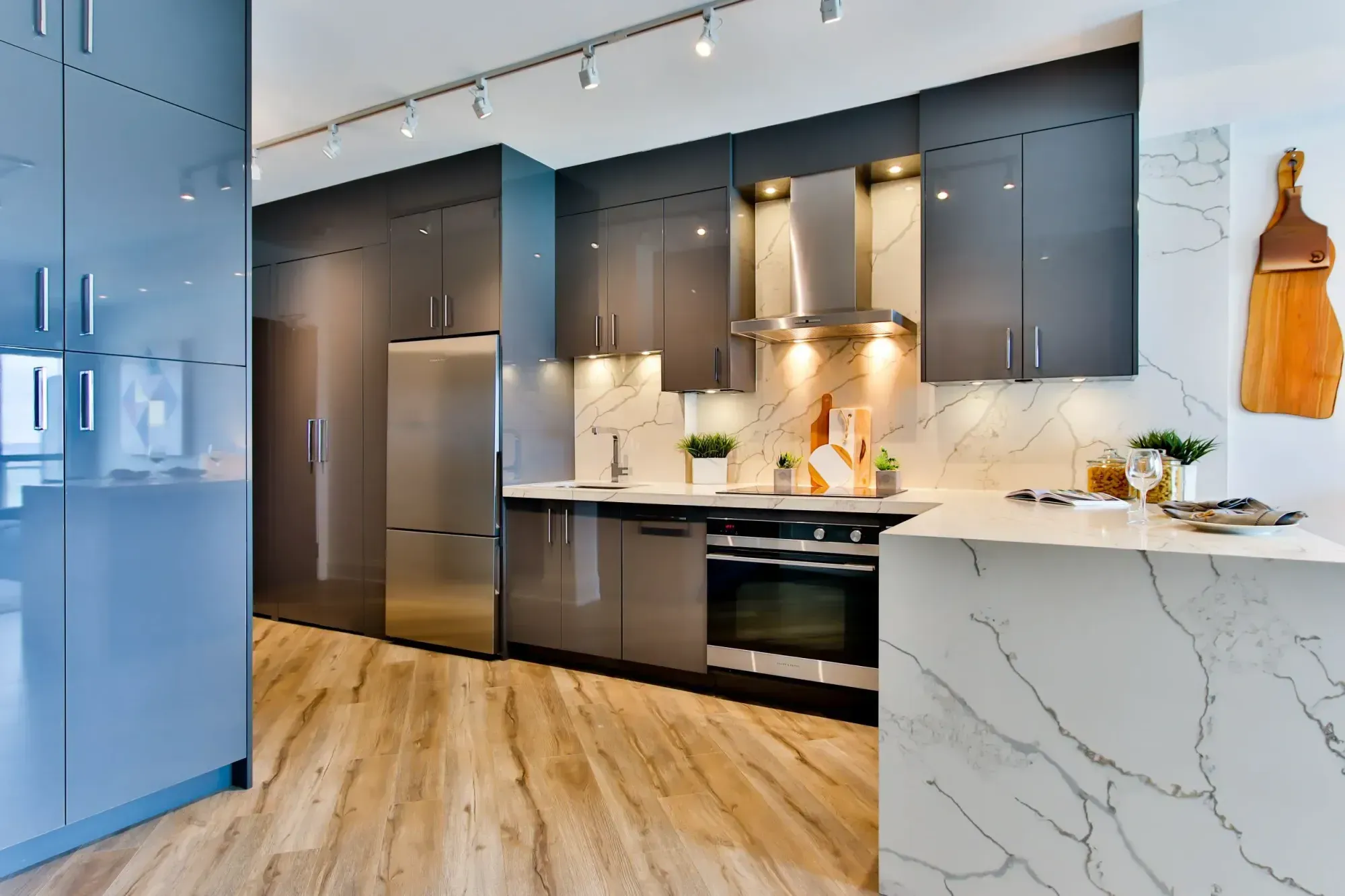

Modern homes in Chiang Mai in 2026 blend contemporary Lanna architecture — teak wood, sheltering eaves, and open spaces for natural airflow — with biophilic design principles and smart home technology. Buyers and builders are prioritizing a lifestyle connected to nature, air quality management, and views of Doi Suthep over generic Western-style layouts.
Modern Home Design Trends in Chiang Mai 2026
In our experience, the design conversation has shifted significantly over the past two years. We've noticed that buyers coming from Europe or Australia often want to bring familiar styles here — Scandinavian minimalism or industrial lofts — only to find that the homes with the highest demand in Chiang Mai look completely different. Many residents have found that the properties which hold their value and genuinely attract tenants are the ones that make the most of what Chiang Mai actually offers: mountain views, tropical vegetation, natural materials, and a cultural design heritage that no imported style can replace.
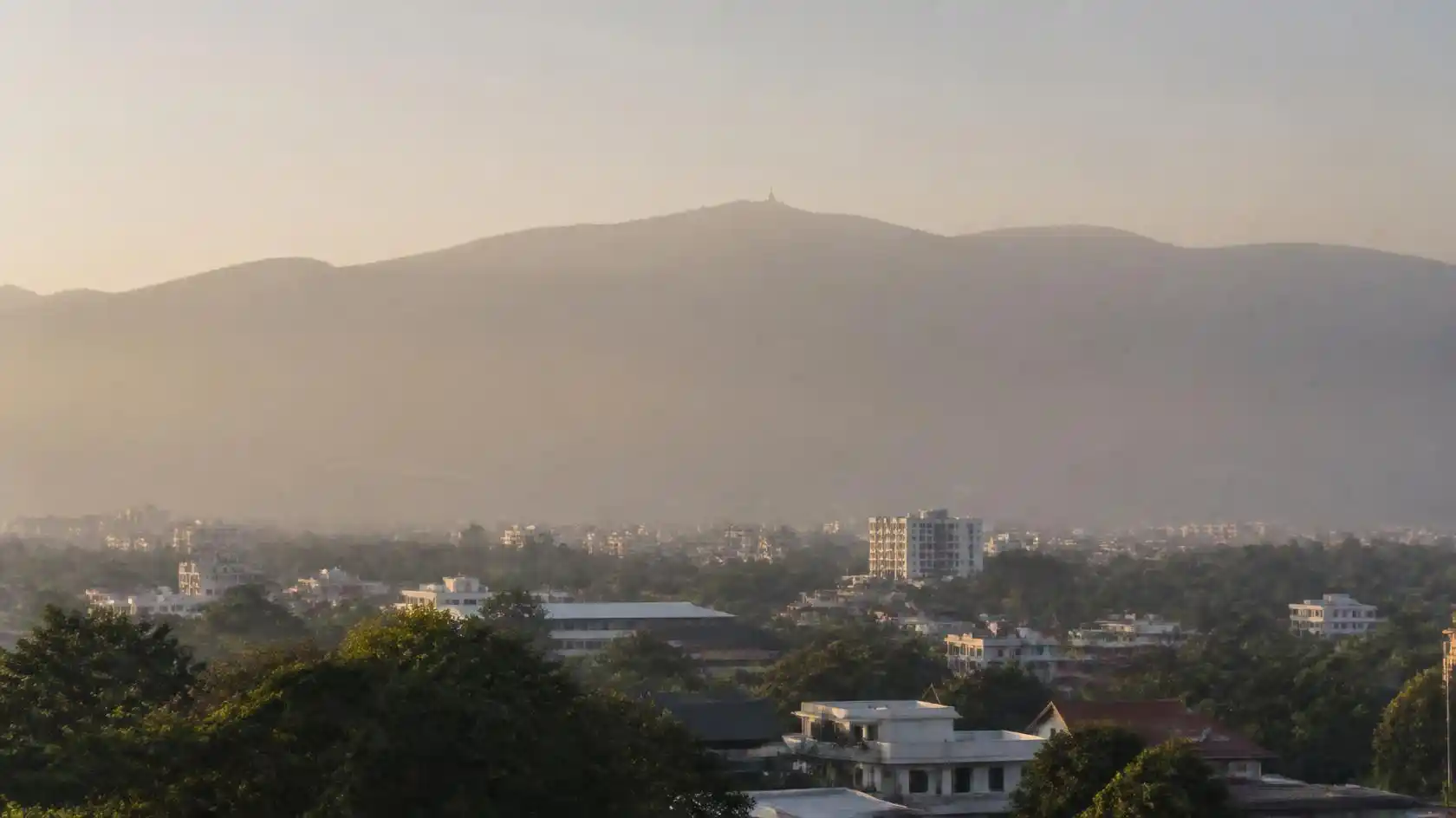
Picture it: 7am, you're standing on the balcony of a newly built villa in Hang Dong, the outline of Doi Suthep glowing soft gold behind it. A ceiling fan turns lazily above an open living area where bare teak beams meet a polished microcement floor. Beside the pool sits an open-air sala facing the garden — perfect for morning coffee. The bedroom's louvered wood shutters let air through, an air purifier hums quietly, and the ring road is two kilometers away.
Homes like this genuinely exist, and we see similar patterns in listings every week. It reflects a design philosophy that has been refined in Chiang Mai's housing market over the past several years — and it's worth understanding whether you're buying, building, or simply furnishing a long-term rental.
What Does "Contemporary Lanna" Architecture Mean for Modern Homes in Chiang Mai?
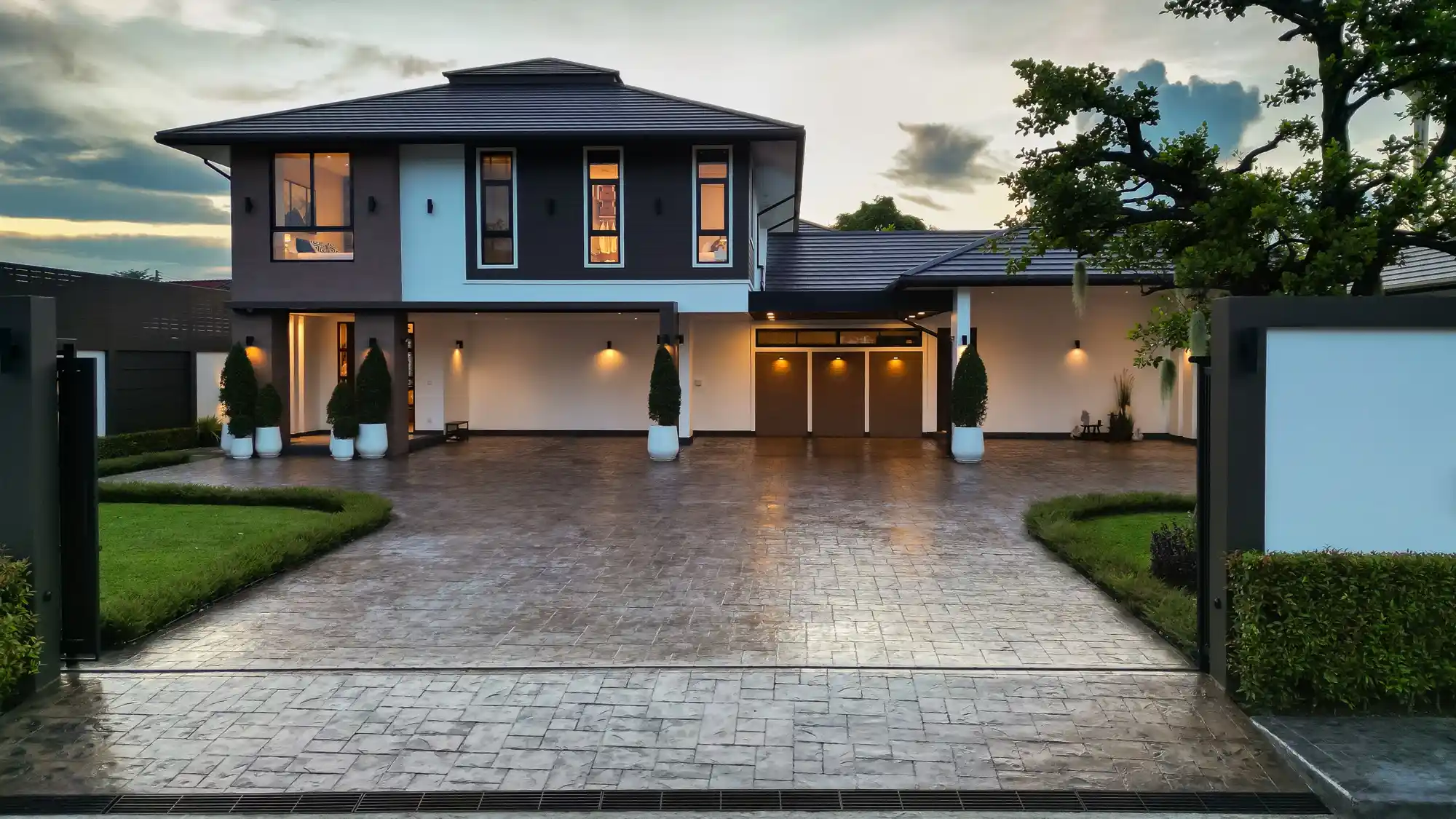
Contemporary Lanna blends the structural logic of traditional Northern Thai architecture — tall multi-tiered roofs, raised floors, teak carving, and projecting eaves — with modern materials, open floor plans, and contemporary furniture. In our experience, this is the dominant design language for high-end homes and renovation projects across Hang Dong, Mae Rim, and San Kamphaeng in 2026.
The architectural heritage of the Lanna Kingdom emphasized homes that breathe: built to manage tropical heat through natural ventilation, shaded verandas, and materials that slowly absorb and release heat. Teak — a hardwood native to the north — has been the primary structural and decorative material for centuries. Modern architects in Chiang Mai are reinterpreting this logic rather than simply imitating it wholesale.
| Design Element | Traditional Lanna Origin | 2026 Contemporary Expression | Most Commonly Found |
|---|---|---|---|
| Roof | Tall multi-tiered form, terracotta tile | Modern tall-tiered roofs, charcoal or terracotta tone tiles | New Hang Dong homes, Mae Rim villas |
| Decorative teak | Structural columns and carved panels | Exposed beams, louvered doors, installed woodwork — non-structural | High-end interiors citywide |
| Raised floor / base | Flood protection and ventilation | Entrance steps, vertical anchoring, split-level layouts | Riverside and low-lying areas |
| Sala (pavilion) | Outdoor gathering and ceremonial space | Poolside salas, covered verandas, semi-open dining zones | Every serious villa design |
| Natural palette | Earthen plaster, raw wood, stone | Microcement, rammed-earth walls, local sandstone | New condos + custom builds |
Pro Tip:
When viewing a home advertised as "Lanna style," ask directly whether the teak is structural or purely decorative, and whether the upper roof allows for natural ventilation. Decorative teak on a fully air-conditioned box is a style choice, not an energy-saving feature. Passive ventilation design in Chiang Mai homes can meaningfully cut electricity bills during the hot season from March to May.
What Are the Biggest Home Design Trends in Chiang Mai for 2026?
The three main design directions we've observed in Chiang Mai in 2026 are: biophilic integration of indoor and outdoor spaces, smart home retrofits, and design that addresses air quality during haze season. These trends aren't fashions imported from abroad — they're direct responses to the realities of living in Chiang Mai.
1. Biophilic Design: Homes That Open to Nature
Biophilic design — the principle of embedding natural light, greenery, water features, and raw materials throughout a home — isn't new globally, but it has a particularly strong application in Chiang Mai. The climate, mountain views, and lush tropical vegetation mean biophilic homes here feel authentic rather than symbolic.
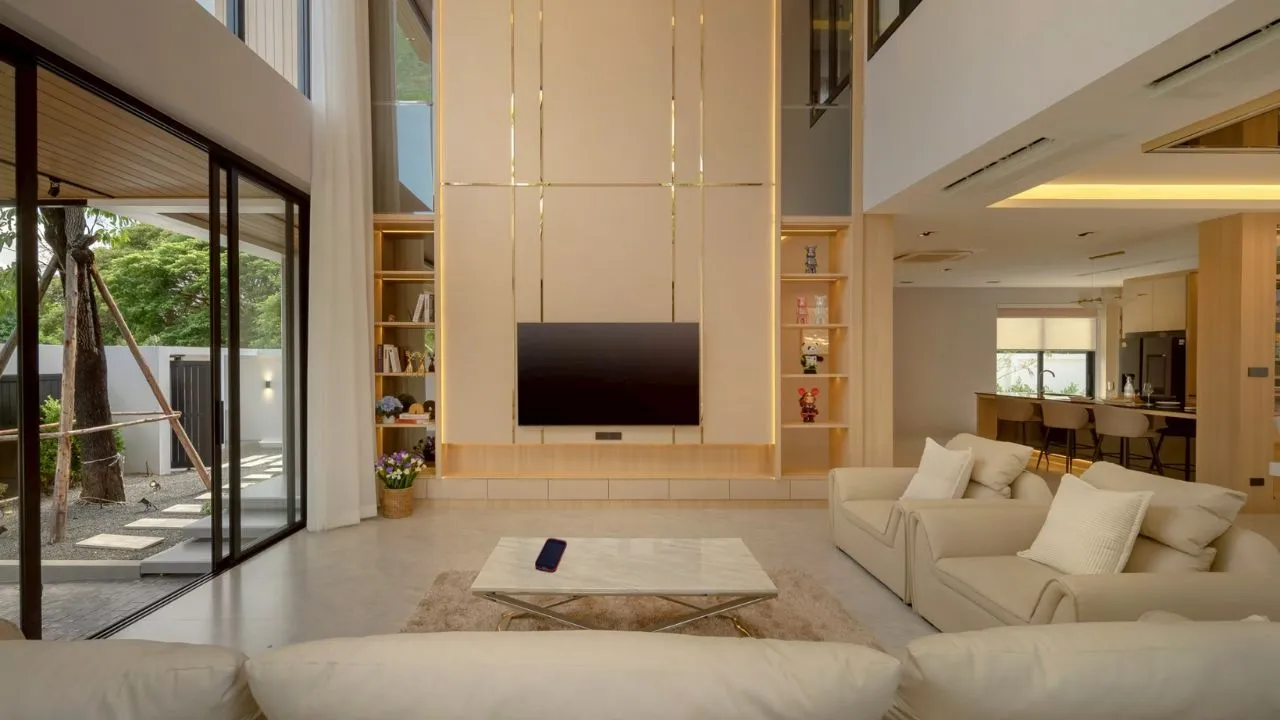
We see this through floor-to-ceiling glass that dissolves the boundary between living room and garden, interior courtyards planted with bamboo or frangipani, infinity pools that appear to merge with valley views, and interior feature walls built from river stone or locally sourced rammed laterite.
2. Smart Home Integration
The smart-home retrofit market has grown significantly in Chiang Mai over the past two years, partly driven by the profile of DTV visa holders and long-stay visa residents — people who travel globally and need to manage property remotely. From what we've seen in the market, a basic retrofit covering smart lighting, video door entry, and automated AC control runs roughly 20,000–50,000 baht. Full automation for a three-bedroom home runs 150,000–300,000 baht depending on the system chosen.
In practice, stable fiber internet (AIS Fiber or True at 200–500 Mbps is standard in most housing estates) makes remote monitoring genuinely workable. The rainy season brings power surges, so a UPS (backup power system) is worth adding for sensitive equipment.
3. Air-Quality-Responsive Design
This is a trend outsiders rarely anticipate, but locals take very seriously. Haze season — roughly February through April — regularly brings PM2.5 above 150 µg/m³ in Chiang Mai, sometimes spiking past 200. Newly built homes now treat this as a structural consideration rather than just a product purchase.
What we're seeing in well-designed 2026 homes: positive-pressure interior systems (filtered air prevents unfiltered air from entering through gaps), HEPA filtration integrated into the HVAC system rather than standalone units, sound/dust-sealed glazing systems for haze season, and a dedicated "clean room" — typically the master bedroom — with its own high-performance air purifier.
| Design Priority | Why It Matters in Chiang Mai | Estimated Added Cost | Impact on Resale/Rental |
|---|---|---|---|
| Biophilic layout | Maximizes mountain-view area, reduces cooling load, increases perceived space | A design-stage decision; minimal added cost if planned early | High — a key variable in rental listings |
| Smart home retrofit (basic) | Enables remote management for long-stay visa holders who travel abroad | 20,000–50,000 baht | Moderate — popular with foreign tenants |
| Smart home (full automation) | Energy management, security, integrated systems | 150,000–300,000 baht (3-bedroom home) | High in the luxury segment; moderate in the mid-market |
| Air-quality design | Haze-season PM2.5 spikes of 150–200+ µg/m³ | 30,000–80,000 baht (integrated HVAC filtration) | Rising — health-conscious buyers ask about it more often |
| Contemporary Lanna aesthetics | Cultural coherence, appeal to the short-term rental market | Varies — mostly material costs and finishing details | High in both premium short-term and long-term rental markets |
Why Home Design Matters More in Chiang Mai's 2026 Property Market
Chiang Mai's housing market is in a delicate phase in 2026. New supply — particularly villas and pool villas across Hang Dong, San Phak Wan, and Mae Rim — is increasing. At the same time, the profile of buyers and renters has grown more sophisticated. DTV visa holders, LTR visa residents, and Thailand Privilege retirees aren't just looking for housing — they're looking for a lifestyle statement that validates choosing Chiang Mai over Bali, Lisbon, or Medellín.
In this context, design quality has become a genuinely significant market variable. Properties that look generic — a white box in a tiled housing estate, aluminum windows, no connection between indoors and outdoors — face slower absorption and weaker rental yields compared to similarly sized homes with clear design intent.
A surprising insight: competitively priced new homes in Hang Dong and San Kamphaeng in 2026 now include contemporary Lanna details and salas as standard, not as add-on upgrades. Developers have read the market. If mid-market new builds already include these features, older resale homes or renovation projects without them face a harder conversation with buyers.
Context Note:
The pricing and smart-home installation figures cited above reflect market observations at the time of writing. Material and labor costs in Chiang Mai change over time. Get current quotes from local contractors and confirm with your agent before finalizing a renovation budget.
Frequently Asked Questions
Is building a modern home in Chiang Mai expensive?
In our experience, well-specified modern construction in Chiang Mai — contemporary Lanna style, quality fixtures, a pool — runs roughly 25,000–40,000 baht per square meter for the structure, excluding land. We've noticed that buyers who budget 30,000 baht/sqm and reserve 15–20% for design changes and site conditions tend to complete construction with relatively little stress. The pool alone typically adds 500,000–900,000 baht depending on size and specification.
What interior design style performs best for rental properties in Chiang Mai?
For both vacation rentals and premium long-term rentals, contemporary Lanna with biophilic elements consistently outperforms generic Western-style decor, based on what we've observed in listings — guests and tenants specifically seek out that "feels like Chiang Mai" quality. We've seen comparable units where Lanna-influenced properties commanded 15–25% higher rent than neutrally decorated units in the same complex.
How does Chiang Mai's air quality issue affect home design decisions?
Haze season is now a design brief topic, not an afterthought. Many residents have found that retrofitting air filtration into an existing home costs more and performs worse than specifying it during construction. We recommend treating air-quality resilience as being just as important as flood resilience when evaluating a Chiang Mai property.
Ready to Find a Home That Actually Looks and Lives Like Chiang Mai?
The gap between generic housing-estate homes and thoughtfully designed homes in Chiang Mai is wider in 2026 than it has ever been. Whether you're buying, building, or renovating, early design decisions directly affect quality of life, rental returns, and long-term value. Browse current listings at Chiang Mai Properties — filter by area, price, and property type — or contact our team to discuss which design features matter most for your plans in the North.
Disclaimer: We are real estate professionals sharing local market observations and general design opinions. The cost estimates, rental yield figures, and air-quality data referenced in this article are indicative and time-bound. This is not construction, legal, or financial advice. For building permits and construction standards, please consult the relevant Chiang Mai municipal authority or a licensed Thai architect. For investment decisions, we recommend consulting a qualified financial advisor familiar with the Thai property market.

.webp)
