Seka Real Estate: Nature?s Sanctuary & Spiritual Isan Heartland
View Listings in SekaEstablished as a full district in 1959, Seka is the geographic and cultural anchor of Bueng Kan, Thailand?s youngest province. Historically part of the vast Nong Khai administrative region before the 2011 provincial split, Seka has long been recognized as a vital agricultural corridor where the Isan plateau meets the rugged sandstone ridges of the north. The district?s identity is deeply rooted in its resilience and its role as a guardian of the Songkhram River basin, serving as a peaceful sanctuary that has preserved its traditional "Forest Monastery" traditions for decades.
The district is a premier destination for eco-tourism, dominated by the Phu Wua Wildlife Sanctuary. This protected area is home to some of the most spectacular waterfalls in the Northeast, including Namtok Chet Si (Seven Color Waterfall), famous for the rainbow mists created as water cascades over its sandstone cliffs, and the tiered Tham Phra Waterfall, often called a "forest water park." Spiritually, Seka is defined by its proximity to the world-renowned Wat Phu Tok, a cliffside temple featuring hand-built wooden walkways that symbolize the seven stages of Buddhist enlightenment, making the district a global magnet for those seeking both adventure and spiritual reflection.
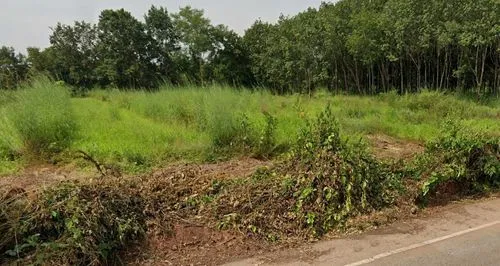
For property investors, Seka offers a rare "high-yield" opportunity in the agricultural and eco-hospitality sectors. The real estate market is primarily land-driven, with active listings ranging from affordable garden plots at ?1,000 per Sq.M to premium commercial sites in the town center valued at over ?2,000 per Sq.M. Investors target the Tha Sa-At and Nam Chan sub-districts for their proximity to natural landmarks, making them ideal for developing boutique forest resorts or specialized rubber and longan estates. As Bueng Kan continues to develop its infrastructure, Seka?s role as the "Green Lung" of the province ensures long-term land appreciation for those seeking sustainable, nature-integrated investments.
Sanctuary of Starlight: The Slow Life in Seka
Living in Seka is an immersion into the "Slow Life" of rural Isan, where the community is defined by its friendliness and a deep respect for the land. The lifestyle revolves around the seasons, with the rainy months bringing a vibrant energy to the local waterfalls and the harvest months filling the markets with fresh mountain produce. Residents enjoy a tranquil existence with modern essentials such as Seka Hospital and the local town centers along Route 2026. It is a community where meditation and mindfulness are part of daily life, with forest temples like Wat Pa Mueang Heuang offering quiet spaces for reflection. For those who value trees over skyscrapers and starlight over city lights, Seka provides a clean, airy, and stunningly beautiful home base in the heart of the Northeast.
Nature-Integrated: Forest Resorts & Rubber Estates
The real estate landscape in Seka is characterized by Agricultural Land and Single-Family Homes, particularly traditional Isan-style wooden houses and modern ranch-style bungalows. Due to the district's commitment to nature conservation, Condominiums are virtually non-existent, which helps maintain the low-density and pristine aesthetic of the region. There is a growing demand for Garden Estates and Commercial Shophouses near the town center, while the outskirts are favored for large-scale Rubber Plantations and integrated farming projects.
Frequently Asked Questions
What are the best natural attractions to visit in Seka?
Seka is most famous for the Seven Color Waterfall (Chet Si) and Tham Phra Waterfall, both located within the Phu Wua Wildlife Sanctuary. These sites are best visited during the rainy season (July to October) when the water volume is at its peak.
s Seka well-connected to other parts of Bueng Kan?
Yes, Seka is well-connected via Route 2026 and Highway 212. It is approximately a 60-minute drive from Bueng Kan city center, providing easy access to the provincial capital?s administrative services and the Mekong River border.