.avif)

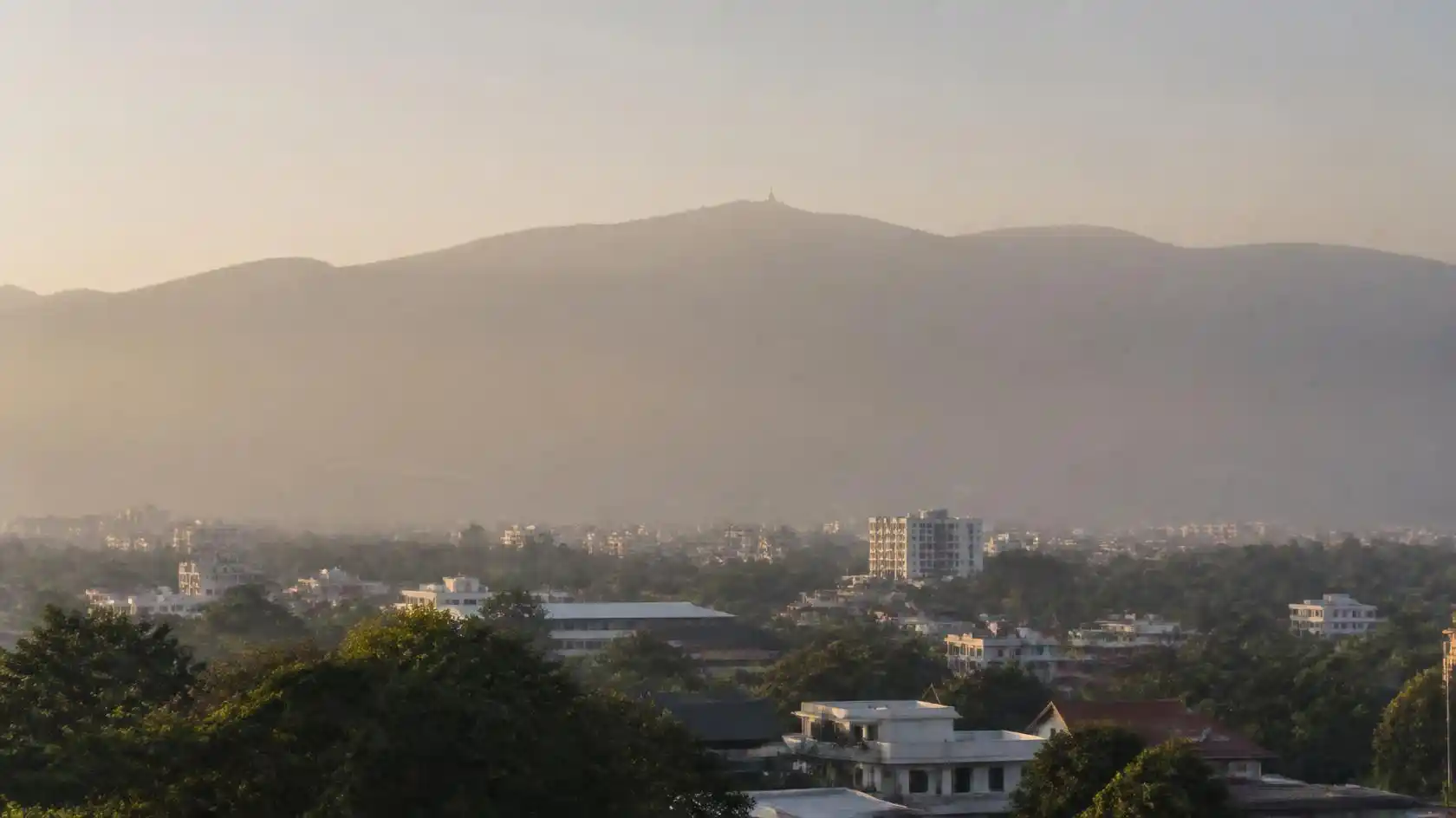
Picture 6:15 in the morning on Doi Suthep. The tour vans have not arrived yet. Mist is still burning off the valley, the gold of the chedi catches the first light, and a handful of locals in running shoes stand where, by ten, there will be three hundred phones. That gap between the postcard and the lived version of it is the whole story of Chiang Mai. The experiences below are the ones people fly here for. What follows each is the quieter part we notice as residents: how close you can actually live to it.
What are the best experiences in Chiang Mai for 2026?
1. Watch sunrise from Wat Phra That Doi Suthep. Climb the 306 Naga-guarded steps, or take the funicular for 50 THB. The temple itself is free and opens at 6:00 AM, and the view over the valley is best before the heat and the crowds. For anyone living in Nimman or on the Suthep side, this is a twenty-five minute drive, close enough to be a weekday habit rather than a tour.
2. Meet elephants ethically. The reputable camps near Mae Taeng and Mae Rim have moved to no-riding, observation-first programmes, typically 1,500 to 3,500 THB per person with lunch and transfer. Mae Rim buyers have several within forty minutes of home.
3. Stand on the roof of Thailand at Doi Inthanon. The country highest point, twin royal pagodas, and the Pha Dok Siew rice terraces. Entry is 300 THB for adults, 150 THB for children, plus 30 THB for the car. From the Hang Dong and Chom Thong side it is roughly an hour out.
4. Cook your own Khao Soi. A half-day class runs around 1,200 THB and a full farm-based day near 1,500 THB, market tour included. It is the fastest way to understand northern Thai food, and why residents keep a favourite Khao Soi spot on speed dial.
5. Wander the Sunday Walking Street. Free, along Ratchadamnoen Road in the Old City, every Sunday from late afternoon. Old City residents get it as a weekly doorstep ritual, not a once-a-trip event.
6. Climb the Bua Tong Sticky Waterfall. Free, about 60 km north, where mineral limestone lets you walk straight up the falls without slipping. It is the standing weekend outing for Mae Rim and San Sai families.
7. Temple-hop the Old City on foot. Wat Chedi Luang and Wat Phra Singh anchor a grid of moat-ringed lanes flat enough to walk end to end in under half an hour.
8. Drink the coffee Chiang Mai is quietly famous for. Nimman roasteries such as Ristr8to pour highland Arabica grown a few hours north. It is a daily fixture of life here, which is why we wrote a full Chiang Mai coffee guide.
9. Release a lantern at Yi Peng and Loy Krathong. The November festival is the one genuinely once-a-year experience on this list. Accommodation and the ticketed releases book out months ahead.
10. Eat through Warorot Market and the northern food trail. Khao Soi, sai ua sausage, and morning stalls that have not changed in decades, all a short ride from the Old City and Nimman.
How much do Chiang Mai experiences cost in 2026?
| Experience | Cost (THB) | Best time | Closest resident base |
|---|---|---|---|
| Wat Phra That Doi Suthep | Free (funicular 50) | 6:00-8:00 AM | Nimman, Suthep |
| Ethical elephant sanctuary | 1,500-3,500 | Morning session | Mae Rim, Mae Taeng |
| Doi Inthanon National Park | 300 adult / 150 child | Early morning | Hang Dong, Chom Thong |
| Thai cooking class | 1,200-1,500 | Any day | Old City, Nimman |
| Sunday Walking Street | Free | Sunday 4:00 PM on | Old City |
| Bua Tong Sticky Waterfall | Free | Weekend mornings | Mae Rim, San Sai |
| Yi Peng / Loy Krathong | Free-ticketed | November only | Citywide |
Which Chiang Mai neighbourhood puts you closest to these experiences?
This is the counter-intuitive part most first-time buyers miss. Visitors treat these ten as a checklist of day trips. Residents experience them as a function of address. The couple who buy in Mae Rim are not choosing a house so much as choosing Sticky Waterfall on a Saturday and an elephant camp forty minutes away. The remote worker who takes a Nimman condo is choosing the coffee and the walkability, and quietly trading away easy mountain access. Neither is wrong, but the trade is real, and it is worth naming before you sign.
| Neighbourhood | Signature experiences nearby | Typical drive | Trades away |
|---|---|---|---|
| Nimman | Coffee scene, Doi Suthep, markets | 10-25 min | Nature on the doorstep |
| Old City | Temples, Sunday Walking Street | Walkable | Space and quiet |
| Hang Dong | Doi Inthanon, gated family living | 20-60 min | Walkable nightlife |
| Mae Rim | Waterfalls, elephant camps, cooler air | 20-45 min | City convenience |
If neighbourhood fit is where your head is going, our guide to the best places to live in Chiang Mai and the Nimman lifestyle and buying guide go deeper on each.
Why these experiences matter for buyers in 2026
The profile of who is buying here has shifted. With the DTV visa drawing remote workers for longer stays, more buyers are choosing by daily life rather than pure price per square metre, and they are testing the city as residents before they commit. The experiences on this list have quietly become viewing criteria: how far to the mountains, how walkable the mornings, how close the school run sits to a waterfall. For villas near nature, the 99-year leasehold outlook remains the practical route for foreign buyers, and it is worth understanding before you fall for a plot with a view. Our 2026 living in Chiang Mai guide covers the relocation side in full.
People Also Ask
What is the number one experience in Chiang Mai?
Are Chiang Mai elephant sanctuaries ethical?
Which Chiang Mai area is best for easy access to nature?
Thinking beyond the visit?
Ready to explore Chiang Mai living further? Browse our latest listings at Chiang Mai Properties or contact our team to find your perfect fit in the North, in the neighbourhood that puts your favourite experiences on your doorstep.

.webp)
